
Study destinations
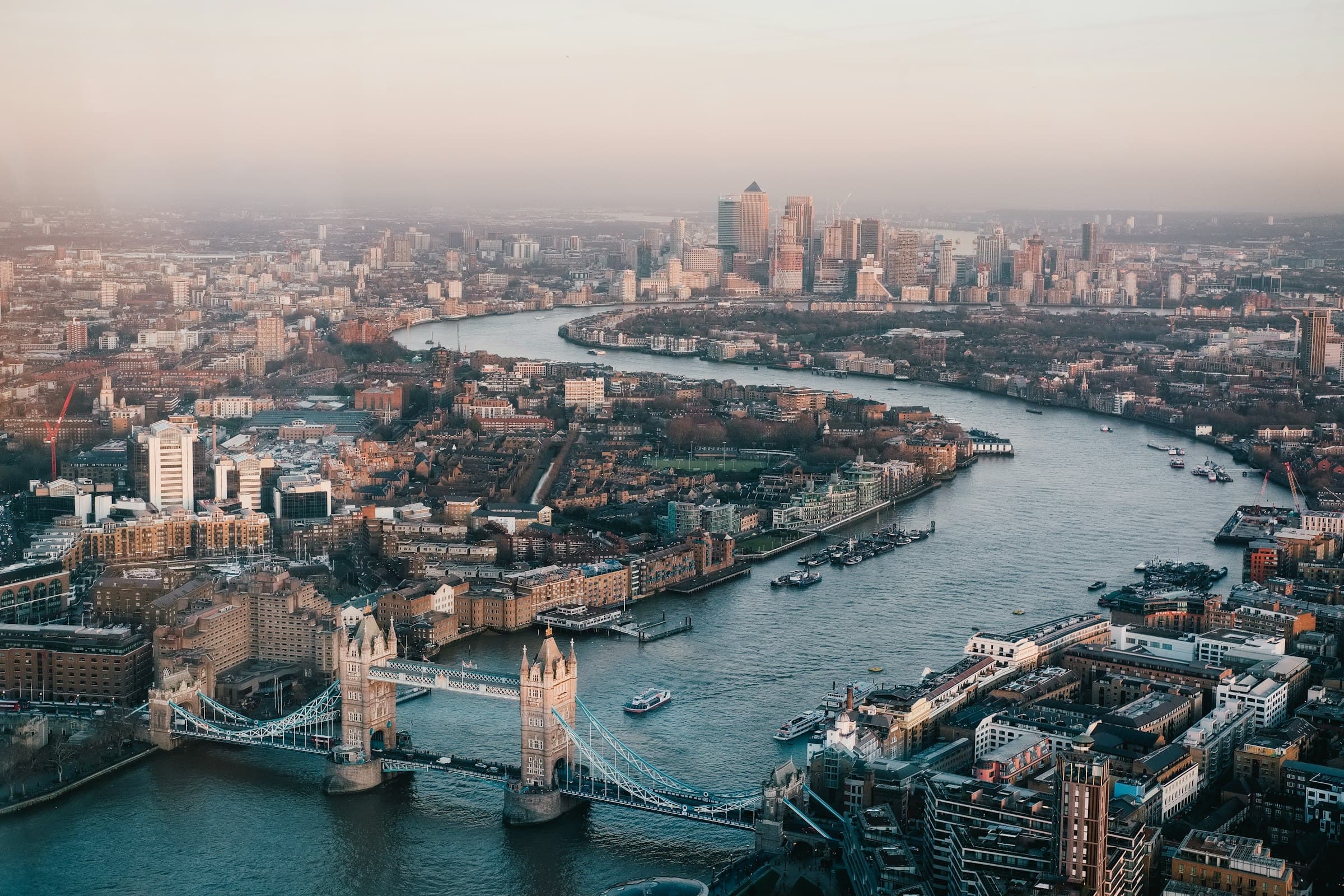
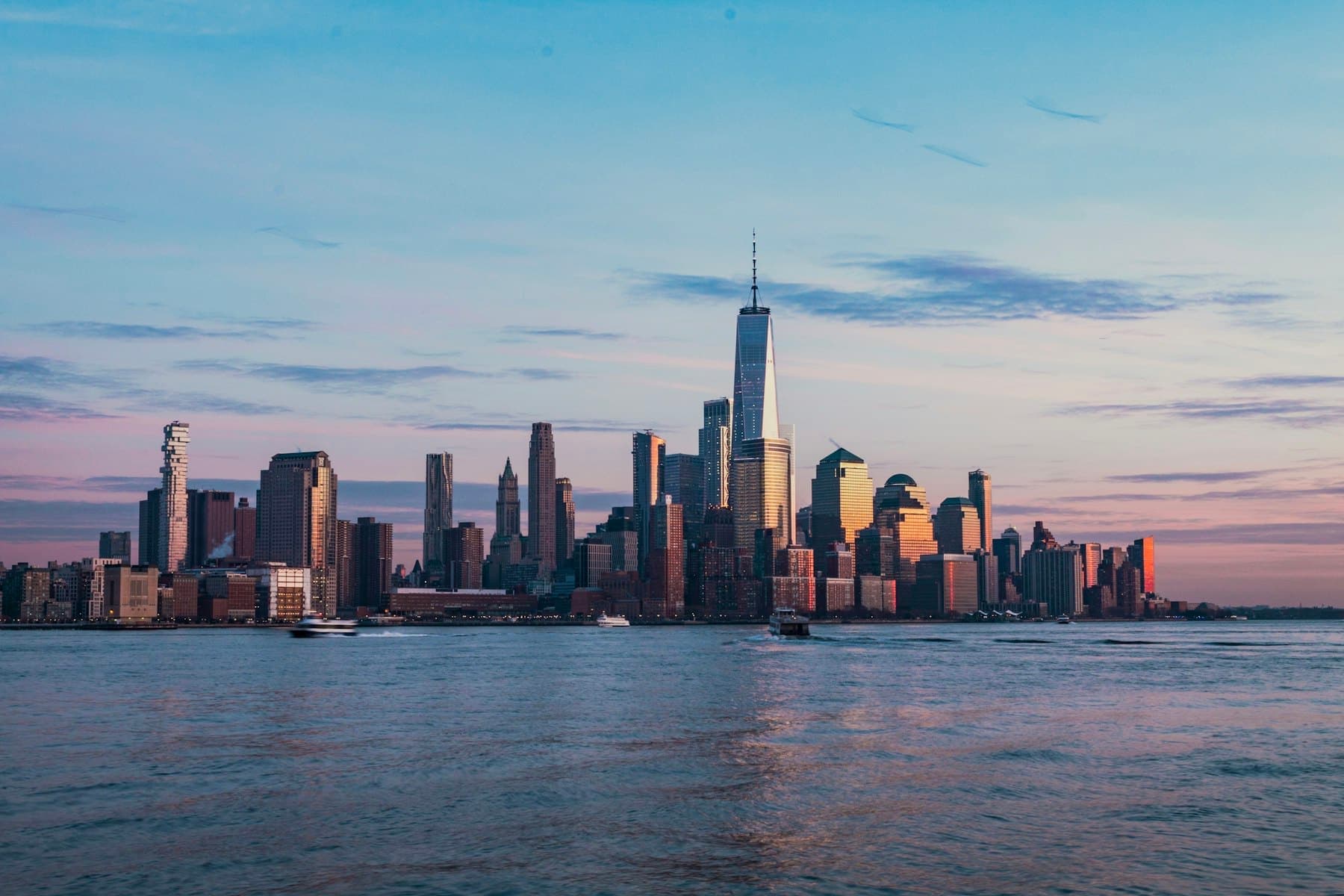
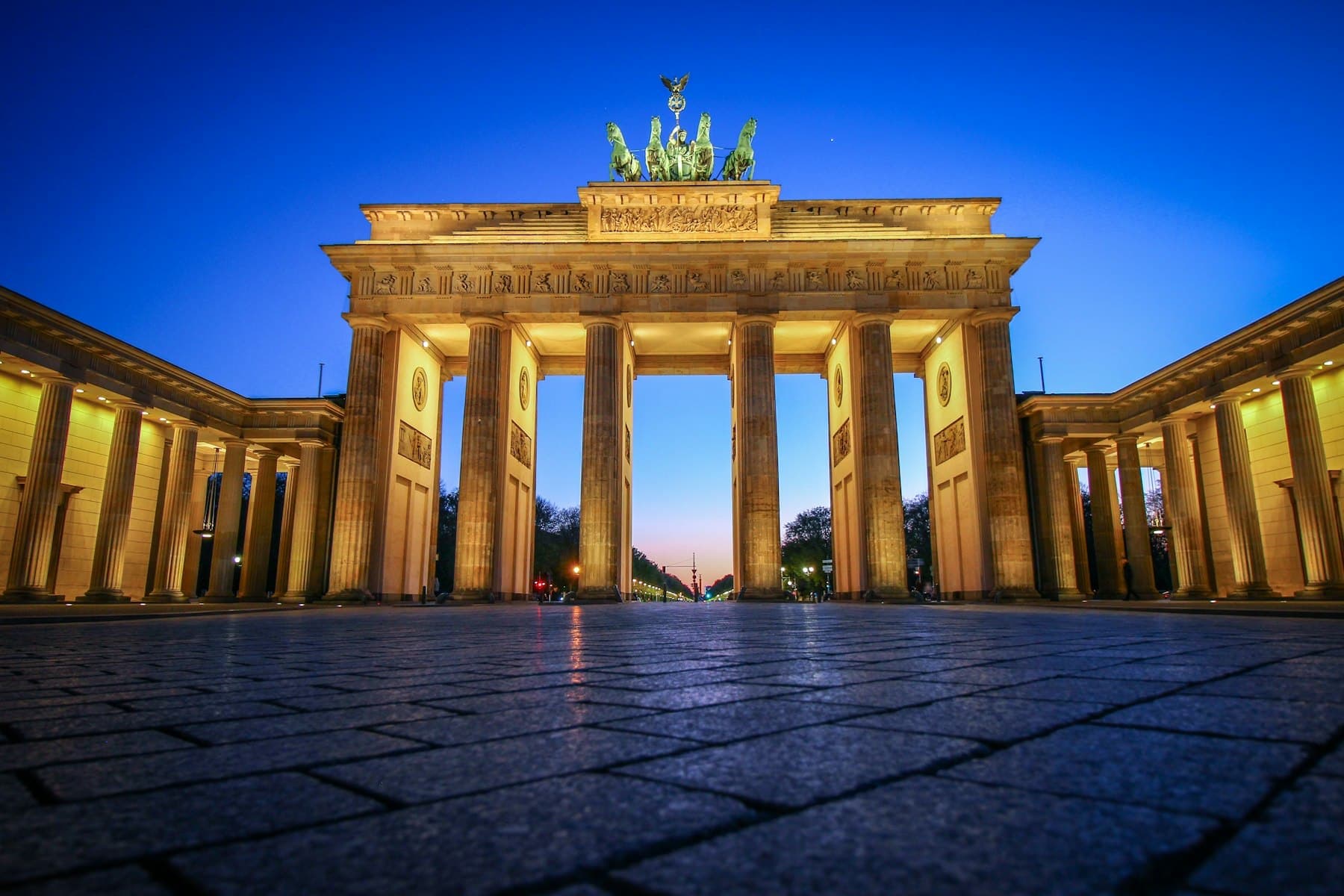
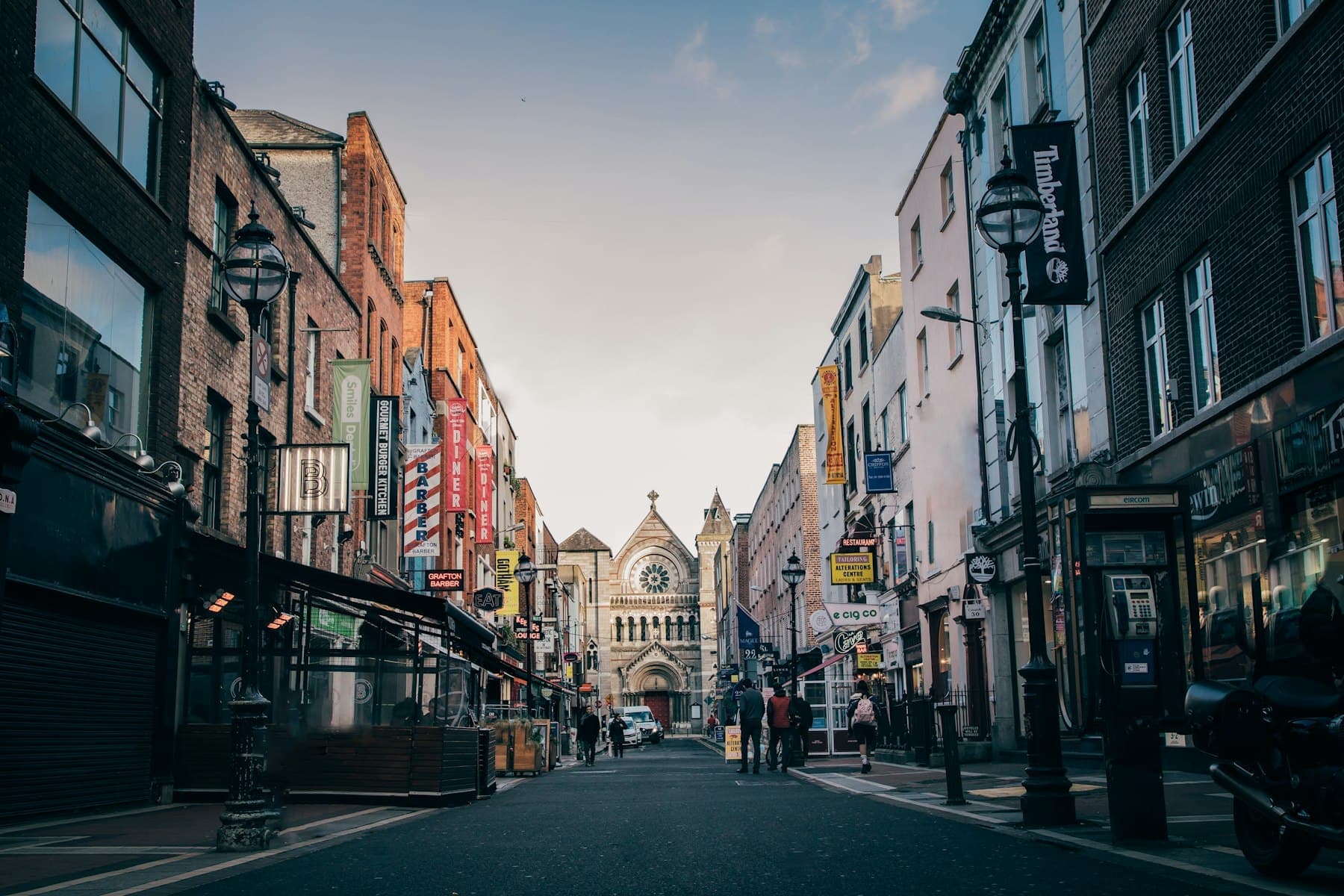
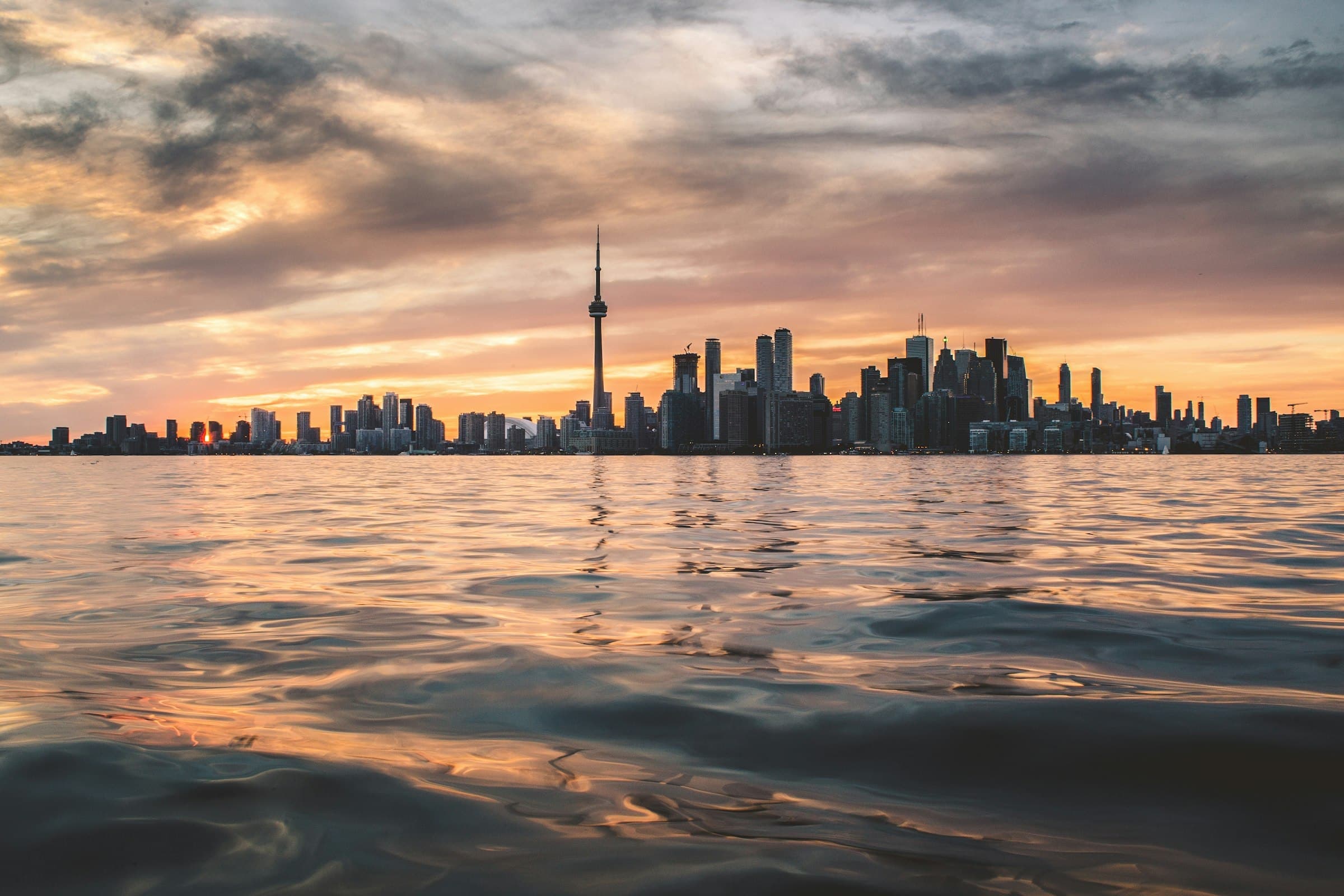
We help students apply to universities in five countries. Choose a country to find out more, or compare them below.
Compare countries
The key differences at a glance. Information checked October 2026.
| Detail | United Kingdom | United States | Germany | Ireland | Canada |
|---|---|---|---|---|---|
| Bachelor's degree | 3 years (4 in Scotland) | 4 years | 3 years | 3–4 years | 4 years |
| Master's degree | 1 year | 1–2 years | 2 years | 1 year | 1–2 years |
| Main intakes | September, January | Fall (Aug/Sep), Spring (Jan) | October, April | September (some January) | September, January, May |
| Work while studying | Up to 20 hours a week in term | On campus, up to 20 hours a week | 140 full or 280 half days a year | 20 hours a week in term, 40 in holidays | Up to 24 hours a week in term |
| Work after graduating | 18 months (3 years after a PhD) | 12 months OPT, up to 36 for STEM | 18 months to look for work | 1 year after a bachelor's, 2 after a master's | Up to 3 years (PGWP) |
| Tuition | Set by each university | Varies widely; scholarships available | Low or none at most public universities | Set by each university | Set by each institution |
| Teaching language | English | English | German; many master's in English | English | English (French in Québec) |
Not sure which country is right for you?
An adviser can help you compare your options.
Ready to start your application?
Book a consultation with one of our advisers to talk through your options.