
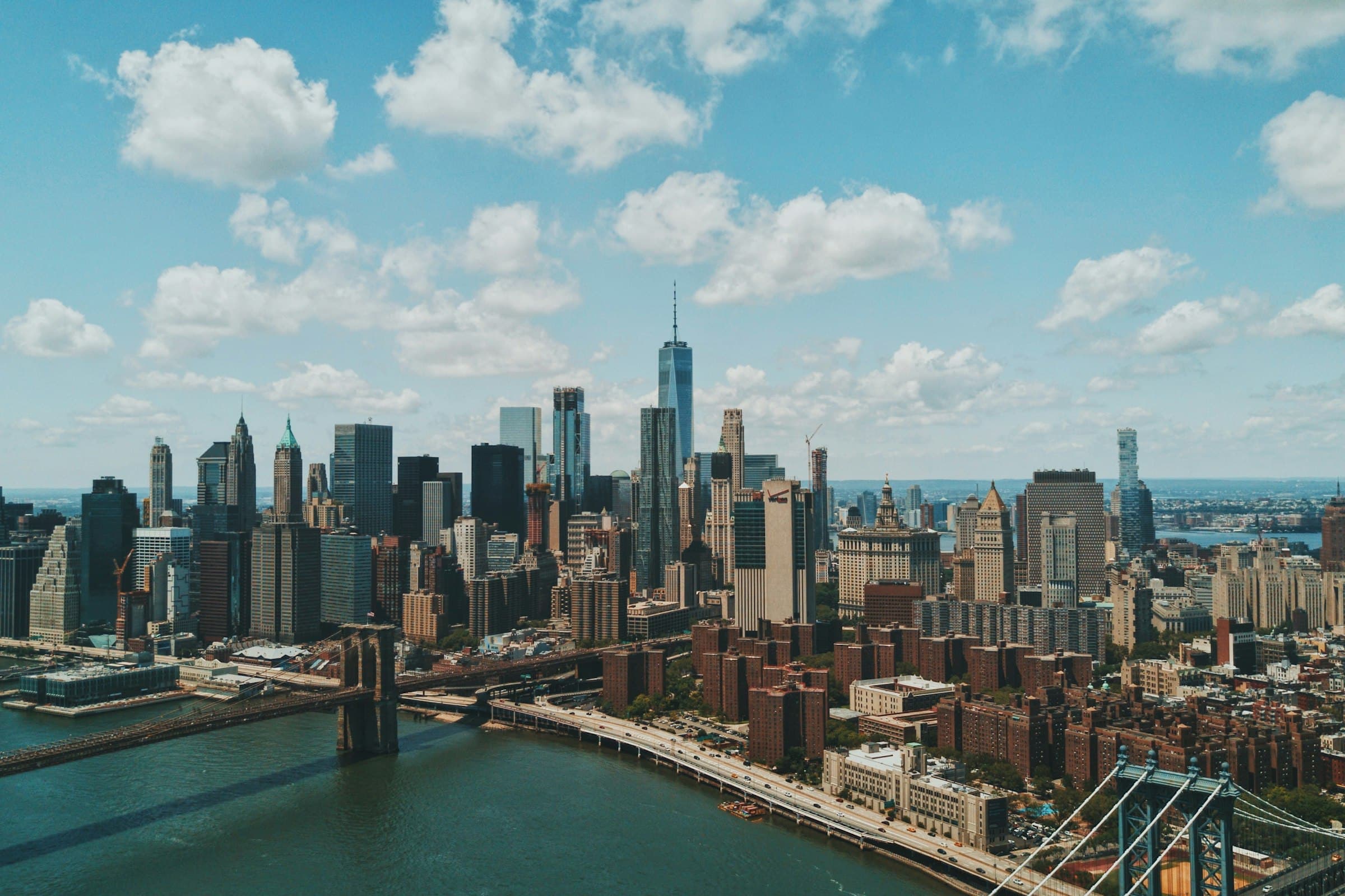
Study in the USA
The US has more than 4,000 colleges and universities, flexible degree programmes and good funding opportunities for international students.
- 4 years
- Typical bachelor's degree
- 1–2 years
- Typical master's degree
- Fall & Spring
- Main intakes
- Up to 3 years
- Work after graduating (OPT)
Why study in the USA?
Flexible degrees
Students can try different subjects before choosing a major.
Scholarships and funding
Many universities offer merit scholarships, and graduate students can apply for assistantships.
Leading research
US universities lead research in many fields, from technology to medicine.
Practical training
OPT lets you work in your field after graduating, for up to three years in STEM subjects.
Key information
Information checked October 2026. We confirm the latest rules for your course when we speak.
- Bachelor's degree
- 4 years
- Master's degree
- 1–2 years
- Main intakes
- Fall (Aug/Sep), Spring (Jan)
- Teaching language
- English
- Work while studying
- On campus, up to 20 hours a week
- Work after graduating
- 12 months OPT, up to 36 for STEM
- Tuition
- Varies widely; scholarships available
- Scholarships
- Merit scholarships, need-based aid, graduate assistantships and Fulbright awards.
Popular subjects
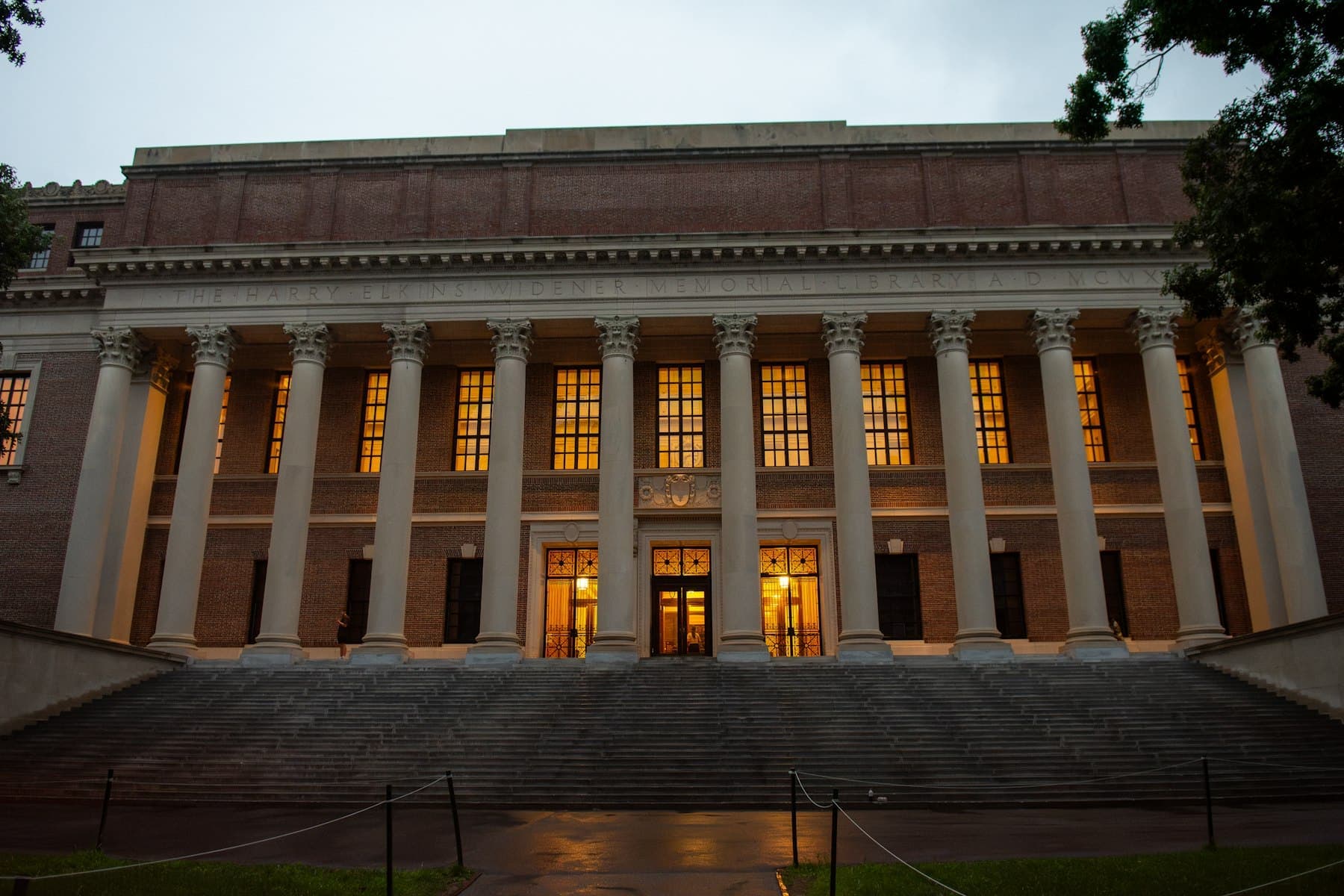
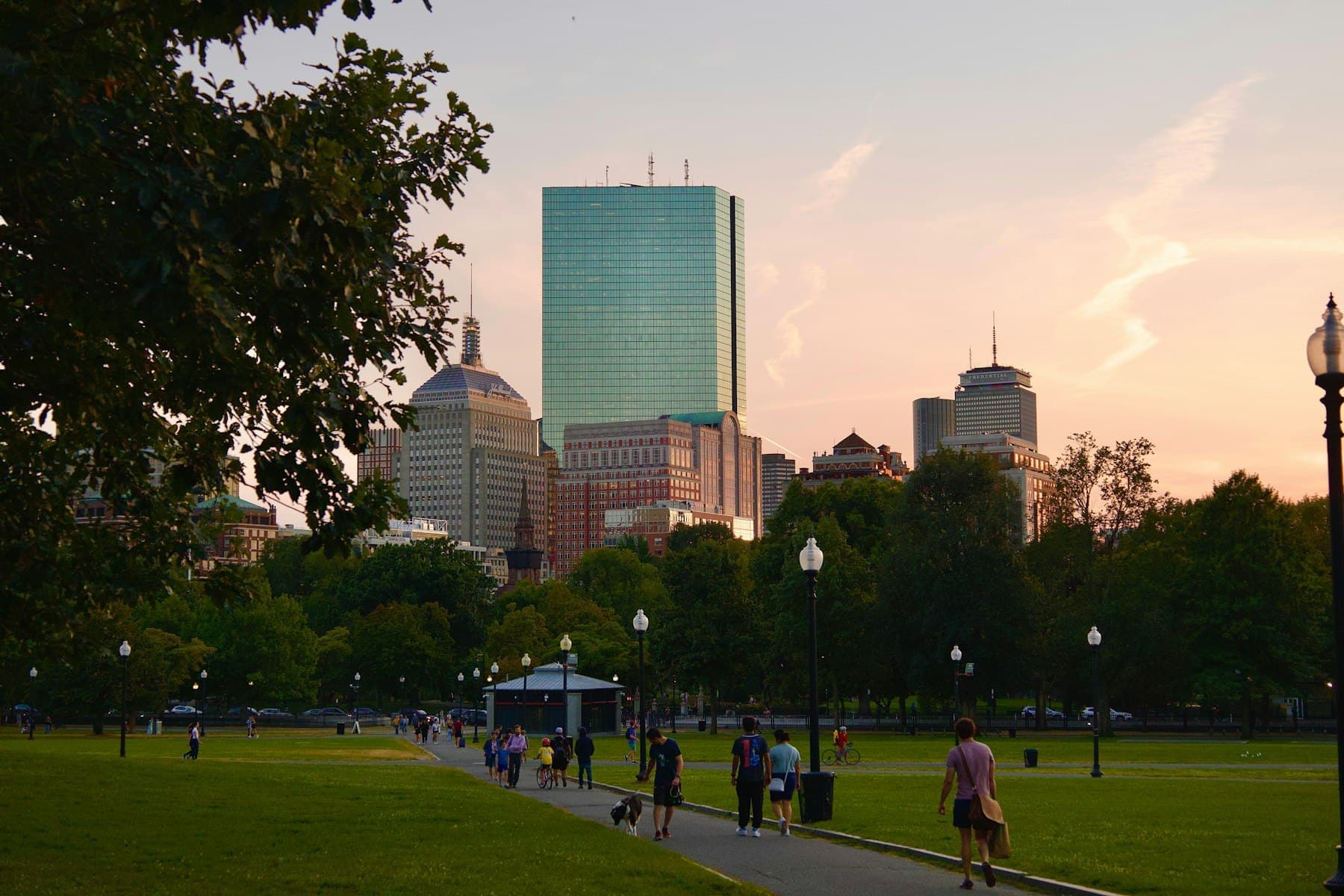
Popular student cities
F-1 student visa
Once you accept an offer, your university issues a Form I-20. You then pay the SEVIS fee, complete the DS-160 form and attend a visa interview at a US embassy or consulate.
Premiea is an education consultancy, not a law firm. If your case needs regulated immigration advice, we will refer you to an authorised adviser.
Documents you will usually need
- Form I-20 from your university
- SEVIS I-901 fee receipt
- DS-160 confirmation page
- Valid passport
- Financial documents
- Academic transcripts and test scores
How we help you study in the USA
Questions about studying here
Do I need to take the SAT?
It depends on the university. Many are test-optional, but some require the SAT or ACT. We will tell you what each university on your list expects.
What happens at the visa interview?
A short conversation with a consular officer about your course, how you will pay for it and your plans. We run practice interviews with you beforehand.
Can I work while studying in the US?
Yes, on campus for up to 20 hours a week during term. Off-campus work is only allowed through CPT or OPT.

Ready to study in the USA?
Book a consultation with one of our advisers to talk through your options.